
Session focus: World Animals - litter through their eyes
Inspired by World Animal Day
Big question
How can litter affect animals, and what could we do to reduce the risk?
Aim
Help pupils understand that litter can affect animals in different ways, then use creativity to think about the problem from an animal’s point of view and suggest one realistic change.
Before the session
Have these ready
- Chimpanzee True or False PowerPoint
- Short Highways litter and animals video
- Amy’s KAP welcome video, if using
- Plain paper or the printable activity sheet at the end of this pack
- Pencils and colouring pencils
This Highways Agency video shows the impact litter can have on animals. Some of the images may be upsetting, although distressing detail has been pixelated. Please use your judgement about whether it is suitable for your group. The session can continue without the video if needed.
Amy's Introduction to World Animals
Read the transcript or video summary
Hi everyone, Amy here from Kids Against Plastic.
For this KAP Club session, we’re thinking about animals and the places they live, including the animals we might find around our own schools and local areas.
Litter can easily become part of an animal’s world, even if it was dropped somewhere else. It can be blown around, washed away or carried into places where animals live.
Your challenge today is to look at litter through an animal’s eyes. What might an animal do if it came across it? What problems could it cause? And, most importantly, what could we change to make things safer?
We’d love to hear the ideas you come up with.
Have fun!
Run the session
Chimpanzee Challenge
5-6 minutesUse the Chimpanzee True or False PowerPoint as a quick, lively opener. Pupils decide whether statements about chimpanzee behaviour, expressions and emotions are true or false.
The purpose is simply to get pupils interested in animals and thinking about the fact that animals notice and react to what is happening around them.
Animals notice and react to the world around them. So what happens when something humans throw away ends up in their world?
Litter and Animals
5 minutesIntroduce the short Highways video. Keep the discussion afterwards brief. You are looking for a few different ways litter can create a risk for animals, not a long list.
NB. This short video shows the impact litter can have on animals. Some of the images may be upsetting, although distressing detail has been pixelated. Please use your judgement about whether it is suitable for your group. The session can continue without the video if needed.
Ask: “What different problems did litter cause for animals?”
- - animals can become trapped or injured
- - they may mistake litter for food
- - litter can get into places where animals live
- - animals may become frightened, stressed or confused
- - rubbish can travel from where it was dropped into other habitats
Through an animal’s eyes
5 minutesEach pupil chooses an animal they might realistically find around a school or local area, for example a bird, hedgehog, squirrel, fox, mouse, frog or insect.
They then choose a piece of litter, such as a crisp packet, drinks can, plastic bottle, carrier bag, elastic band, takeaway cup or food wrapper.
Use the four-box activity sheet. Younger pupils can mainly draw. Older pupils can add captions, speech bubbles or a short story.
"We’ve seen that litter can become part of an animal’s world. Now imagine you are one of the animals living around your school. What might happen if you came across something we had thrown away?"
1. Meet the animal
Draw your animal and show where it is.
2. Something appears
The animal finds the piece of litter. What might it do?
3. What could happen next?
Draw or write what the litter might mean for the animal. Think about the risk, it does not have to end badly.
4. Change the ending
What could people do so the animal never has to face that problem?
Change the ending
6-7 minutesInvite a few pupils to share their animal story. Then bring the group back to the big question.
Encourage specific ideas rather than stopping at “Don’t litter”. The story activity is there to generate ideas. The group can then choose one promising idea to investigate further.
"If we wanted animals around our school to be safer from litter, what is one thing we could actually change?"
Useful prompts if pupils need help:
- - Lots of snack wrappers end up outside. Could we find out where they are coming from?
- - Do bins near the playground need lids, moving or emptying more often?
- - Is there something the school buys or uses that often becomes litter?
- - Could we stop litter travelling before it reaches places where animals live?
Individual finish
Each pupil completes: “One thing I think our school could do is…”
Endangered Animals
5-7 minutesEnd the session with an interesting and informative Blooket about endangered animals from around the world.
Tell KAP what happened
Tell us what your group discovered, noticed or decided to do next.
Try a KAP game or quiz
These work in guest mode. Scores and progress are not saved.
KAP Man
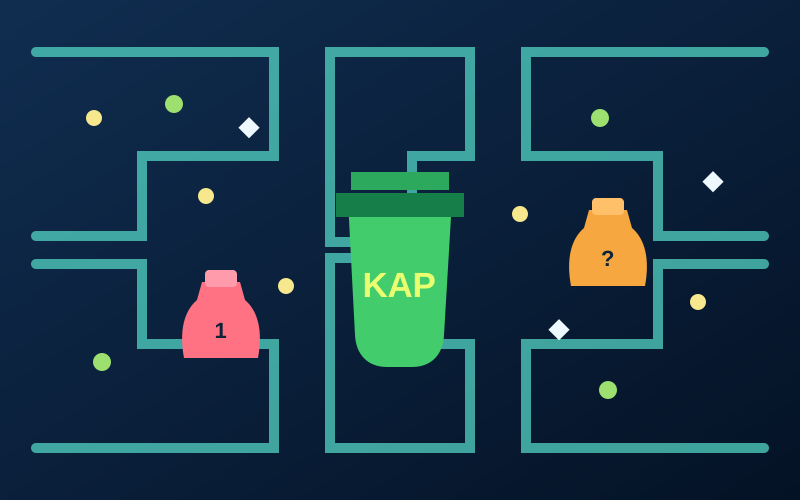
Collect all the rubbish in the KAP bin while avoiding the nasties! The nasties can be put in the bin when they are flashing blue. Come into a non-flashing nasty and you will lose one of your 3 lives.
Plasteroids
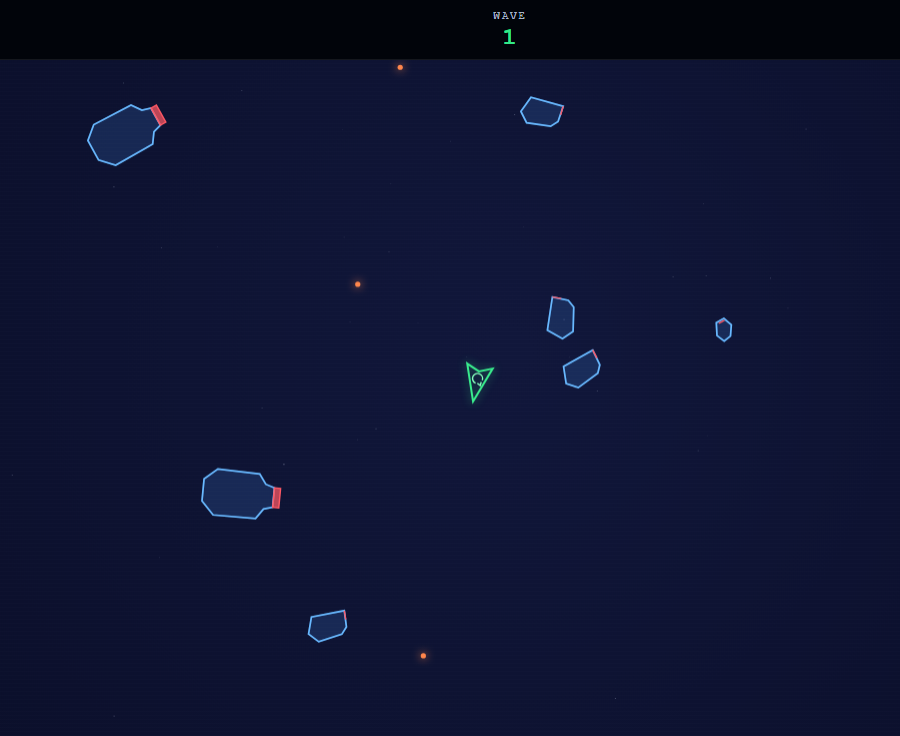
Let's clean this Space up! There's too much single-use plastic floating around and we need to eradicate it as quickly as we can.
Stack the Plastic
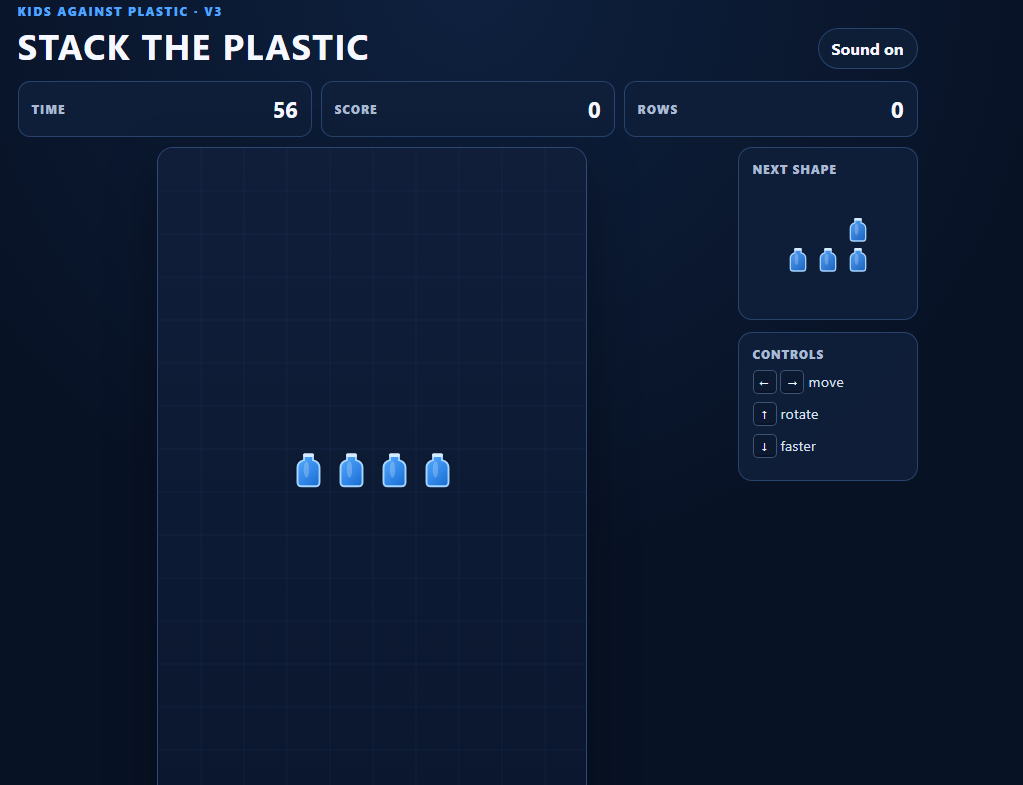
A game to stack the arrangements of plastic bottles as neatly as possible. Don't then over fill the container. Play in quiz mode to get a score or in practice mode.
World Animals - litter through their eyes
Inspired by World Animal Day
How can litter affect animals, and what could we do to reduce the risk?
Aim
Help pupils understand that litter can affect animals in different ways, then use creativity to think about the problem from an animal’s point of view and suggest one realistic change.
Before the session
Have these ready
- Chimpanzee True or False PowerPoint
- Short Highways litter and animals video
- Amy’s KAP welcome video, if using
- Plain paper or the printable activity sheet at the end of this pack
- Pencils and colouring pencils
Session resources
- Chimpanzee true or false
- Through an animal's eyes - worksheet
- Highways video
- Blooket: Endangered animals
Safety and safeguarding
This Highways Agency video shows the impact litter can have on animals. Some of the images may be upsetting, although distressing detail has been pixelated. Please use your judgement about whether it is suitable for your group. The session can continue without the video if needed.
Video introduction
Amy's Introduction to World Animals
Run the session
1. Chimpanzee Challenge5-6 minutes
Use the Chimpanzee True or False PowerPoint as a quick, lively opener. Pupils decide whether statements about chimpanzee behaviour, expressions and emotions are true or false.
The purpose is simply to get pupils interested in animals and thinking about the fact that animals notice and react to what is happening around them.
Animals notice and react to the world around them. So what happens when something humans throw away ends up in their world?
2. Litter and Animals5 minutes
Introduce the short Highways video. Keep the discussion afterwards brief. You are looking for a few different ways litter can create a risk for animals, not a long list.
NB. This short video shows the impact litter can have on animals. Some of the images may be upsetting, although distressing detail has been pixelated. Please use your judgement about whether it is suitable for your group. The session can continue without the video if needed.
Ask: “What different problems did litter cause for animals?”
- - animals can become trapped or injured
- - they may mistake litter for food
- - litter can get into places where animals live
- - animals may become frightened, stressed or confused
- - rubbish can travel from where it was dropped into other habitats
3. Through an animal’s eyes5 minutes
Each pupil chooses an animal they might realistically find around a school or local area, for example a bird, hedgehog, squirrel, fox, mouse, frog or insect.
They then choose a piece of litter, such as a crisp packet, drinks can, plastic bottle, carrier bag, elastic band, takeaway cup or food wrapper.
Use the four-box activity sheet. Younger pupils can mainly draw. Older pupils can add captions, speech bubbles or a short story.
"We’ve seen that litter can become part of an animal’s world. Now imagine you are one of the animals living around your school. What might happen if you came across something we had thrown away?"
1. Meet the animal
Draw your animal and show where it is.
2. Something appears
The animal finds the piece of litter. What might it do?
3. What could happen next?
Draw or write what the litter might mean for the animal. Think about the risk, it does not have to end badly.
4. Change the ending
What could people do so the animal never has to face that problem?
4. Change the ending6-7 minutes
Invite a few pupils to share their animal story. Then bring the group back to the big question.
Encourage specific ideas rather than stopping at “Don’t litter”. The story activity is there to generate ideas. The group can then choose one promising idea to investigate further.
"If we wanted animals around our school to be safer from litter, what is one thing we could actually change?"
Useful prompts if pupils need help:
- - Lots of snack wrappers end up outside. Could we find out where they are coming from?
- - Do bins near the playground need lids, moving or emptying more often?
- - Is there something the school buys or uses that often becomes litter?
- - Could we stop litter travelling before it reaches places where animals live?
Individual finish
Each pupil completes: “One thing I think our school could do is…”
5. Endangered Animals5-7 minutes
End the session with an interesting and informative Blooket about endangered animals from around the world.
